
December 2025 Was a Warning Month for Privacy: Retention, Brokers, and Cross‑Border Data Flows

If you want a snapshot of where privacy and anonymity are headed, December 2025 gave us three signals that fit together uncomfortably well:
- Germany moved toward mandatory IP data retention (not content, but the metadata that makes anonymity breakable).
- The EU renewed the UK’s “adequacy” status, keeping personal data flowing across borders under a “safe enough” label that many businesses treat as permission to collect more.
- California’s privacy regulator sharpened its posture toward data brokers, reminding them they must register and stop obscuring who they are and what they do because the broker economy is still quietly fueling mass profiling.
Different jurisdictions, different political coalitions, different legal frameworks. But one shared outcome: more data exists, it moves more easily, and more parties can get it by policy, by purchase, or by compelled access.
For privacy enthusiasts and anonymity-minded users, the message is simple: the future is being built around metadata availability and data liquidity. If you care about anonymity, you have to plan for that reality.
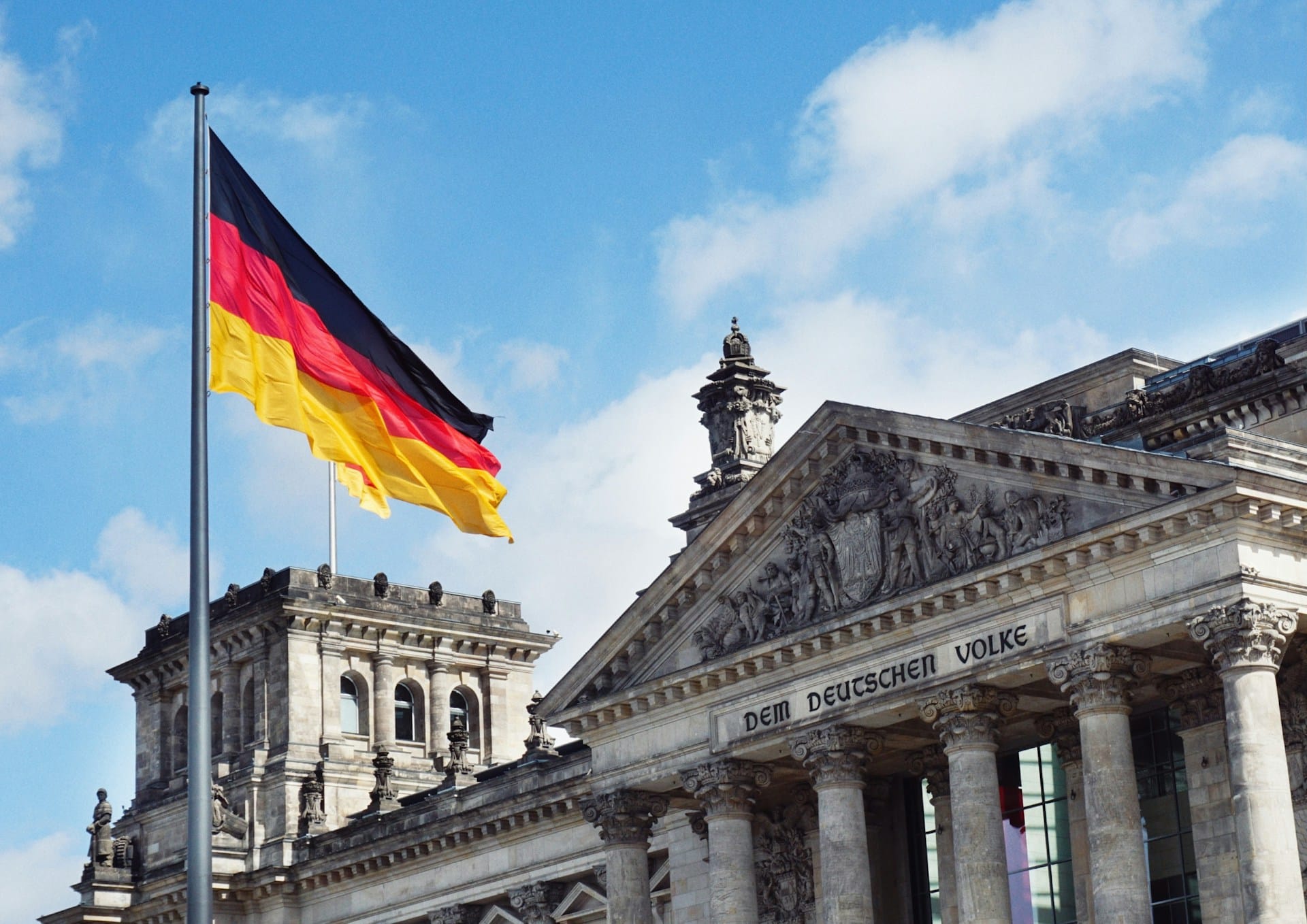
1) Germany’s three-month IP retention plan: anonymity’s weak point is becoming policy
In late December, reporting described German governing parties preparing legislation that would require ISPs to retain specific connection data for at least three months, including IP addresses, unique connection identifiers, and precise timestamped allocation records down to the second. Separate coverage tied the plan to storing IP addresses and port numbers for three months in order to help authorities identify subscribers.
Support and opposition quickly formed along familiar lines: police and senior CDU/SPD figures backing the plan, with the Greens opposing it. The political framing is also familiar: “cybercrime investigations,” “protecting children,” “digital traces as evidence”.
Here’s the problem for privacy: IP retention isn’t about what you said, it’s about proving you were there. It turns the basic act of connecting to the internet into a record that can be correlated later often long after anyone remembers the details.
And three months isn’t “short.” In practice, it’s enough time to connect dots across:
- routine browsing patterns
- account logins
- site administration sessions
- email access
- VPN/proxy usage patterns
- hosting control panel activity
Even without content, metadata is identity-adjacent. If your goal is anonymity, mandatory IP retention forces the question: anonymous from whom?
The overlooked harm: retention creates breach inventory
Retention mandates aren’t only about government access. They also create centralized pools of sensitive data that become targets whether by criminal actors, insider misuse, or simple operational failure. The risk isn’t theoretical; large providers leak, and when they do, it’s often identifiers and credentials that cause irreversible damage. (The more you’re forced or encouraged to retain, the larger the blast radius when something goes wrong.)
The slippery part: “limited retention” tends to expand
Even when advocates sell retention as narrow (“just IPs,” “just serious crime,” “just X months”), the gravity of investigations and political incentives pulls outward over time. December’s Germany story is best understood as part of a broader European discussion cycle around retention returning as a normal policy instrument.
For anyone building or using privacy infrastructure, the takeaway is not “Germany is unique.” It’s that metadata retention is being rehabilitated and reintroduced as “reasonable,” “targeted,” and “necessary”, even though it treats everyone as future evidence.
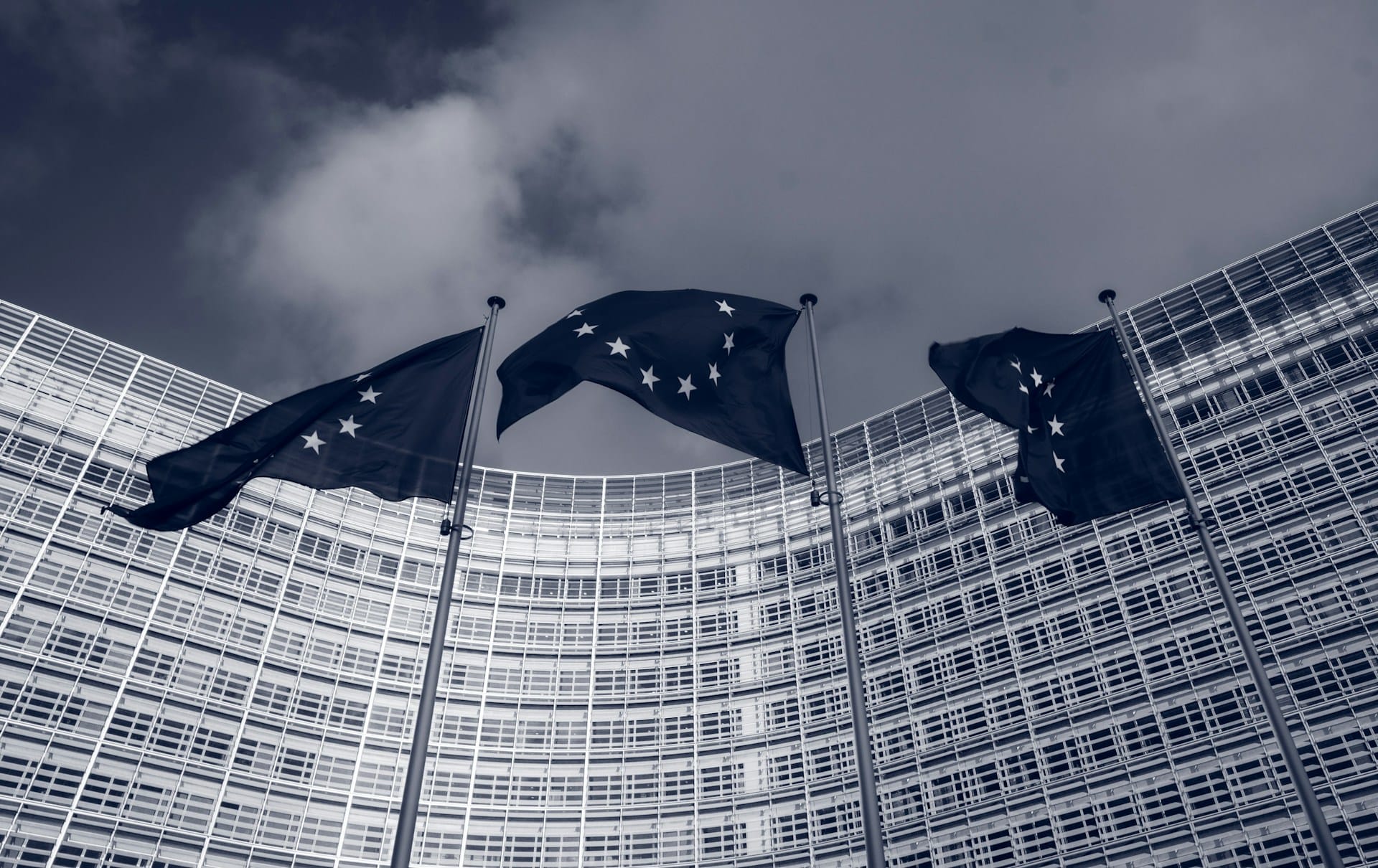
2) EU–UK adequacy renewal: cross-border flows stay easy, and “easy flows” invite more collection
Just days earlier, on December 19, 2025, the European Commission renewed the UK’s adequacy decisions, meaning personal information can continue to flow from the EU to the UK without the friction of additional transfer mechanisms that companies often treat as annoying compliance overhead. The Commission’s decisions include a sunset clause of six years (until December 27, 2031), with renewal possible.
From a civil liberties angle, this is often framed as stability: fewer barriers, less uncertainty, smoother business. For privacy and anonymity, it’s more complicated.
Why adequacy matters to anonymity (even if you’re not in the UK)
Adequacy isn’t “privacy solved.” It’s a legal designation that says the receiving country is “essentially equivalent”, good enough for transfers. In practice, it influences how businesses behave:
- If transfers are easy, companies architect systems to move data freely.
- If data moves freely, it’s more likely to be duplicated across vendors and regions.
- If it’s duplicated, it’s harder to delete, harder to minimize, and more likely to be exposed.
And when you combine easy transfers with growing “lawful access” momentum in Europe, you get an environment where users have to assume that metadata and identifiers travel and not just content.
It’s also notable that commentary around the renewal pointed to the Commission assessing the UK framework following legislative changes introduced by the UK Data (Use and Access) Act 2025. Regardless of how you feel about the UK’s direction, the key point for privacy enthusiasts is this: adequacy is not a guarantee that surveillance pressure disappears. It’s a signal that data exchange will continue, and therefore the best privacy strategy remains the same: don’t create data you can’t control.

3) California’s data broker push: the commercial layer of surveillance is still thriving
Across the Atlantic, California’s privacy regulator delivered another December signal. On December 17, 2025, the CPPA issued Enforcement Advisory No. 2025-01, emphasizing data broker registration requirements—including details tied to trade names, websites, and parent/subsidiary relationships. The advisory’s language is pointed: brokers must register “without hiding their activity” or interfering with consumers’ privacy rights. 4 Legal analysis also described the advisory as a reminder of obligations under California’s Delete Act, including annual registration and fees.
This matters for anonymity because data brokers are the market mechanism that turns “random bits of information” into identity resolution.
Even if you use a VPN, even if you separate accounts, even if you avoid social media, the broker ecosystem can still piece together a profile from:
- device identifiers and ad tech signals
- location and mobility patterns
- purchase and subscription metadata
- email/phone identity graphs
- scraped and aggregated public records
The point isn’t that regulation is bad; California’s move is arguably a rare instance of pushing against the broker business model. The point is that the broker economy is powerful enough that regulators have to explicitly warn them: stop hiding.
And for privacy infrastructure providers (including hosting), it’s a reminder that privacy doesn’t fail only at the network layer. It fails at the commerce layer where third parties quietly collect, enrich, and resell the data trail that most services generate by default.
The connective tissue: three different ways anonymity gets weakened
These three December stories form a coherent picture:
- Germany’s IP retention increases state-accessible metadata: who had which IP/port, when.
- EU–UK adequacy renewal keeps cross-border data movement frictionless, encouraging duplication and centralized processing.
- California’s data broker enforcement highlights the scale of the private surveillance market and how much effort it takes just to force basic transparency.
Together, they show why “just use a VPN” is not an anonymity plan. Anonymity fails when:
- connection metadata is retained and linkable,
- personal data flows freely across vendors and jurisdictions,
- commercial profiling can stitch identity back together.
We got you covered!
We do not require any personals details and you can pay with Bitcoin, Lightning, Monero and other cryptos next to traditional payment methods like PayPal or Credit Card.
Order your service TODAY!
What to prepare for in 2026 (privacy-first, not paranoia)
If 2025 ended with retention talk, adequacy stability, and broker scrutiny, then 2026 is about preparation and not panic.
For privacy enthusiasts:
- Treat metadata as the primary threat surface, not content.
- Assume your data may move across borders if you use mainstream services, even when those services are “compliant.”
- Reduce exposure to broker pipelines: avoid invasive third-party trackers, keep separate identities separate, and be cautious about “free” tools that monetize data trails.
For anonymous hosting providers (and privacy-first infrastructure generally):
- Build operations around data minimization as a safety feature, not a slogan.
- Keep retention windows short and defensible; be explicit about what you do and don’t log.
- Design systems so billing identity, support content, and service activity aren’t automatically linkable.
- Avoid marketing that frames privacy as “getting away with it.” Messaging can become part of how outsiders define your intent, especially in a world where privacy capabilities are increasingly politicized.
The bottom line
Privacy and anonymity don’t collapse all at once. They erode through “reasonable” steps: retain a little metadata, smooth a few transfers, allow a broker ecosystem to exist “with rules.”
December 2025 showed all three pressures in motion. The response shouldn’t be to give up on privacy tools. It should be to normalize privacy as legitimate and demand that safety policy doesn’t default to keeping dossiers on everyone whether by government mandate or commercial profiling.